
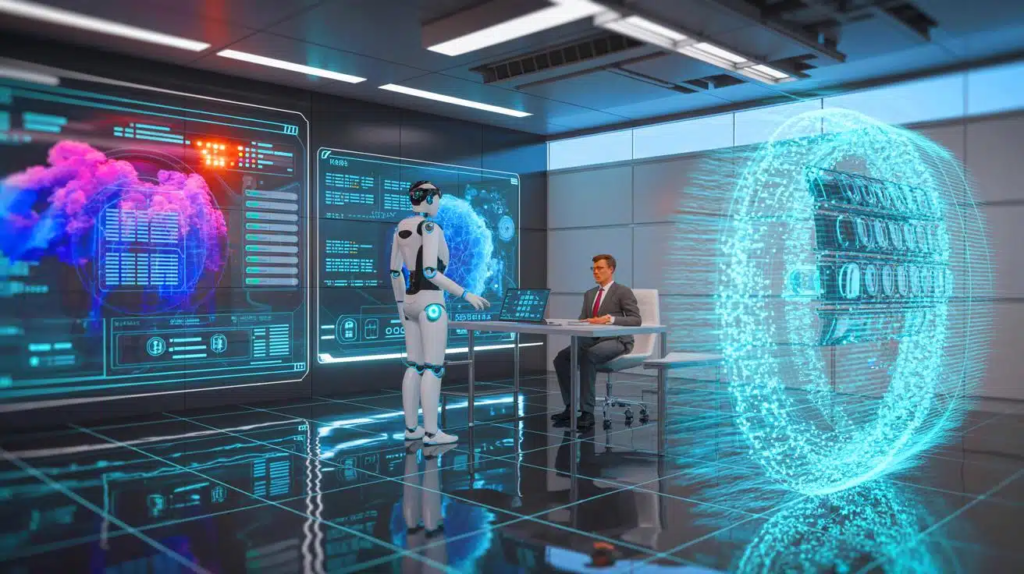
Technology is no longer just a part of our lives—it has become the foundation of how we live, think, and interact with the world. In 2026, the influence of technology is deeper than ever before. From the moment we wake up to the time we go to sleep, technology quietly shapes our habits, decisions, and experiences.
What makes this transformation even more interesting is how natural it feels. Many of the things that once seemed advanced or futuristic are now part of our everyday routine. Whether it is communication, work, shopping, or even health, technology is present in every aspect of life.
This blog explores how technology is changing our daily lives in 2026 and how it is reshaping the way we experience the world around us.
The Evolution of Daily Life Through Technology
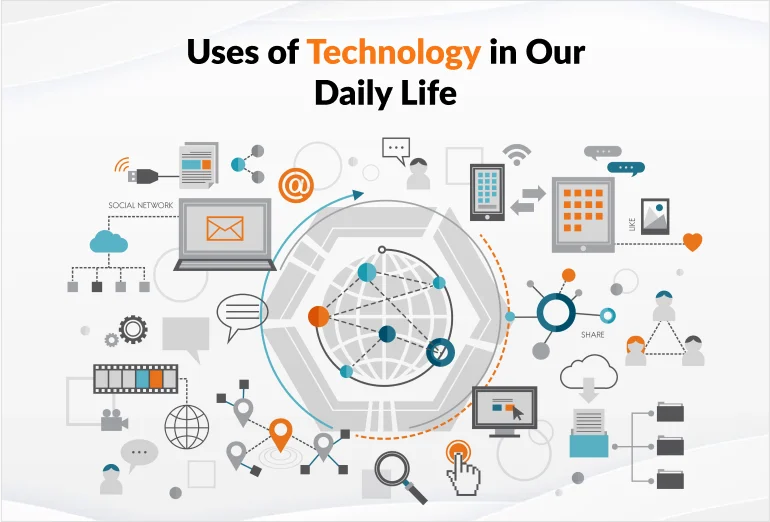
Life today looks very different compared to just a few years ago. Tasks that once required time and effort can now be completed in seconds. Technology has simplified everyday activities, making life faster and more efficient.
The biggest change is how seamlessly technology fits into our routines. We don’t think about using it anymore—it just becomes part of our daily habits. This shift has changed not only how we perform tasks but also how we expect things to work.
People now expect quick results, instant responses, and smooth experiences. This expectation continues to drive innovation and improve the tools we use every day.
Communication Has Become Instant and Limitless
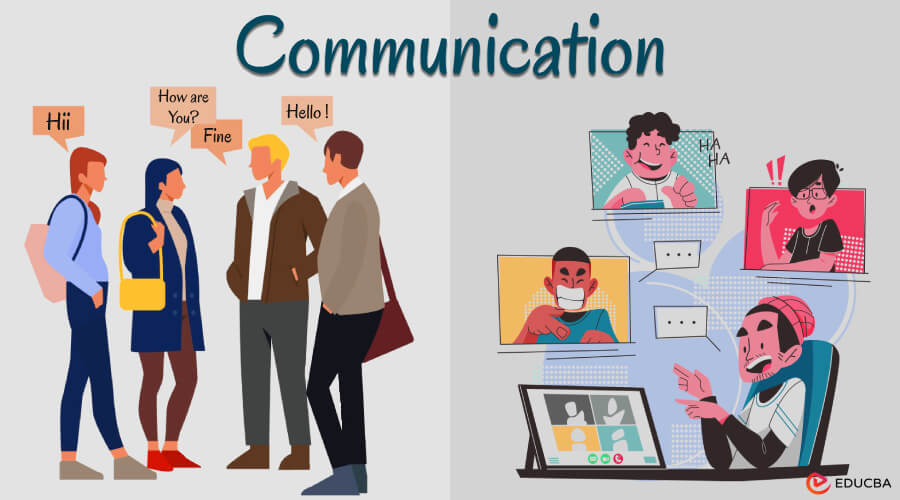
One of the most noticeable changes in daily life is communication. In 2026, staying connected is easier than ever. Messages, video calls, and social platforms allow people to communicate instantly, no matter where they are.
Distance is no longer a barrier. Families, friends, and colleagues can stay connected across the world. This has strengthened relationships and made collaboration easier.
However, constant connectivity also comes with challenges. People often feel the need to be available all the time, which can affect personal space. Finding a balance between connection and privacy is important.
Smart Devices Are Everywhere
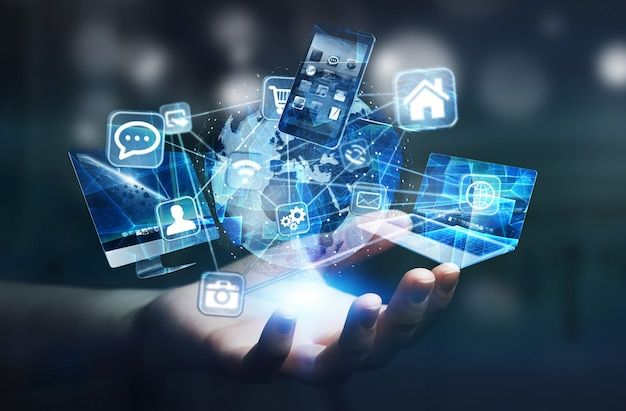
Smart devices have become a normal part of everyday life. From smartphones to smartwatches and home assistants, these devices help manage daily activities efficiently.
Homes are becoming smarter, with systems that control lights, appliances, and security through simple commands. This level of automation saves time and effort.
Wearable devices also help people track their health, fitness, and sleep. This awareness encourages better lifestyle choices and improves overall well-being.
Technology is not just making life easier—it is making it smarter.
The Rise of Digital Payments and Cashless Living
Handling money has changed significantly in 2026. Digital payments have become the preferred method for transactions. Paying bills, transferring money, and shopping online can all be done within seconds.
This convenience has made financial management easier and more efficient. People no longer need to carry cash or worry about physical transactions.
However, this shift also increases the importance of digital security. Protecting personal and financial data has become essential in a connected world.
Education Has Become More Flexible and Accessible

Technology has transformed the way people learn. Education is no longer limited to classrooms. Online platforms and digital tools have made learning accessible to everyone.
Students can learn at their own pace and explore subjects that interest them. This flexibility has opened new opportunities for personal and professional growth.
Interactive tools and virtual experiences make learning more engaging. Technology is not just supporting education—it is redefining it.
Work Culture Has Changed Dramatically
The way people work has changed significantly due to technology. Remote work and digital collaboration have become common in 2026.
People can now work from home or any location, giving them more flexibility. This has improved work-life balance for many individuals.
At the same time, it has blurred the boundaries between work and personal life. Managing time effectively has become more important than ever.
Technology has made work more flexible, but it also requires discipline.
Entertainment Is More Personalized Than Ever
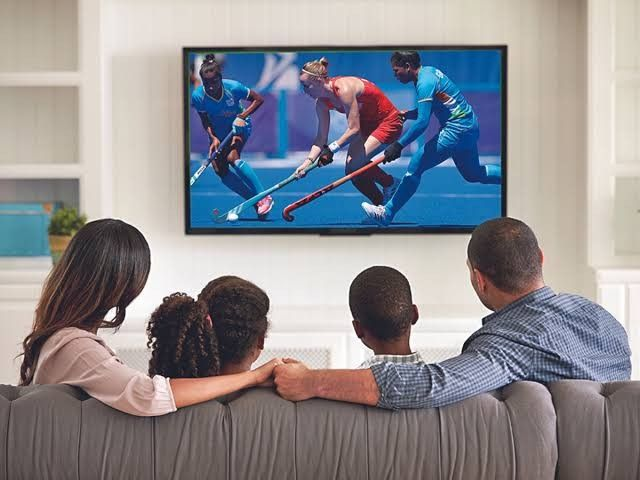
Entertainment has become more accessible and tailored to individual preferences. Streaming platforms, gaming, and social media provide endless options for relaxation.
People can choose what they want to watch or listen to at any time. This personalization makes entertainment more enjoyable.
However, easy access can also lead to excessive screen time. Balancing digital entertainment with real-life activities is essential for maintaining well-being.
Healthcare Is Becoming Smarter and More Accessible
Technology has made healthcare more efficient and convenient. Online consultations and health apps allow people to access medical advice without visiting hospitals.
Wearable devices help monitor health in real time, allowing early detection of potential issues. This proactive approach improves overall health.
In 2026, healthcare is not just about treatment—it is about prevention and awareness.
The Impact on Human Behavior and Lifestyle
Technology has not only changed what we do but also how we think. It has made life faster, more connected, and more convenient.
People rely on technology for information, decisions, and daily tasks. While this dependence is helpful, it also requires careful use.
Maintaining a balance between digital life and real-world experiences is important. Human connections and offline activities remain essential.
Challenges of a Technology-Driven World
Despite its benefits, technology also brings challenges. Issues like screen addiction, reduced physical activity, and privacy concerns are becoming more common.
Spending too much time on devices can affect mental and physical health. It can lead to stress and reduced focus.
Privacy is another major concern. With so much personal data online, protecting it has become essential.
Understanding these challenges helps people use technology more responsibly.
The Future of Technology in Daily Life
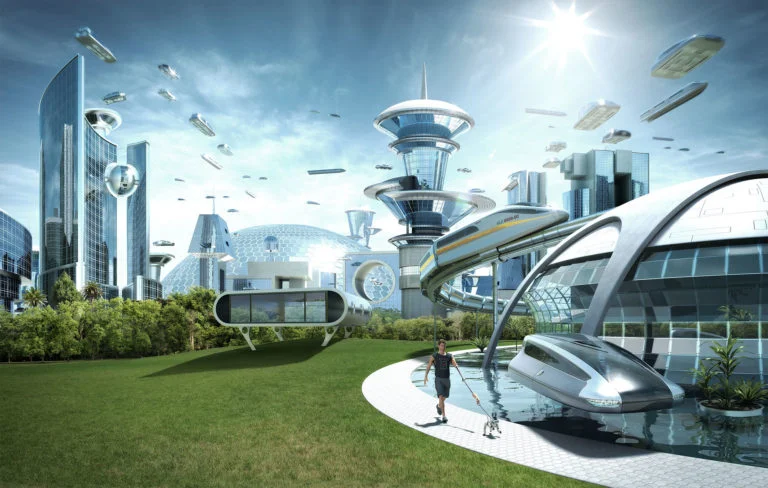
Technology will continue to evolve and shape our lives in new ways. Innovations like artificial intelligence and automation will make life even more efficient.
The future will bring more convenience, better connectivity, and smarter systems. However, it will also require people to adapt and learn continuously.
Using technology wisely will be the key to making the most of these advancements.
Conclusion
Technology in 2026 has become an inseparable part of our daily lives. It influences how we communicate, work, learn, and relax. It has made life easier in many ways, but it also requires responsible use.
The goal is not to avoid technology but to use it in a balanced way. When used wisely, it can improve our quality of life and open new opportunities.
As we move forward, technology will continue to shape our world. Understanding its impact helps us use it better and live more meaningful lives.
FAQs
1.How is technology changing daily life in 2026 ?
Technology is making tasks faster, improving communication, and providing better access to services.
2.What are the benefits of technology ?
It offers convenience, saves time, and improves efficiency in everyday life.
3.Are there any disadvantages of technology ?
Yes, issues like screen addiction and privacy concerns can be challenges.
4.How can I balance technology use ?
You can limit screen time and focus on offline activities to maintain balance.
5.Is technology making life easier ?
Yes, it simplifies many tasks and improves overall convenience.