

Space exploration has always captured human imagination, but in recent years, it has entered a new and exciting phase. After decades of focusing on Earth orbit missions, humanity is once again preparing to venture beyond and return to the Moon. At the center of this effort is Artemis II, a mission that represents not just technological progress but also a renewed sense of curiosity and ambition.
In 2026, Artemis II stands as one of the most important space missions of our time. It is part of a larger plan to establish a sustainable human presence on the Moon and eventually prepare for missions to Mars. This journey is not just about exploration—it is about pushing the boundaries of what humanity can achieve.
This guide will help you understand everything about Artemis II, from its purpose and crew to its significance for the future of space travel.
The Artemis Program: A New Era of Exploration

To understand Artemis II, it is important to first look at the Artemis program as a whole. This initiative by NASA aims to return humans to the Moon after more than 50 years since the Apollo missions.
The program is named after Artemis, the twin sister of Apollo in Greek mythology, symbolizing a new chapter in lunar exploration. Unlike earlier missions, Artemis is designed to be long-term and sustainable.
Artemis II is the second major mission in this program, following the success of Artemis I, which tested key systems without a crew.
What Is Artemis II and Why It Matters
Artemis II is the first crewed mission in the Artemis program. This means that astronauts will be on board, making it a significant milestone.
The mission is designed to test the spacecraft, systems, and technologies needed for future lunar landings. It will involve sending astronauts on a journey around the Moon and back to Earth.
This mission is important because it bridges the gap between testing and actual exploration. It ensures that everything is ready for the next step, which involves landing humans on the Moon again.
The Spacecraft and Technology Behind the Mission
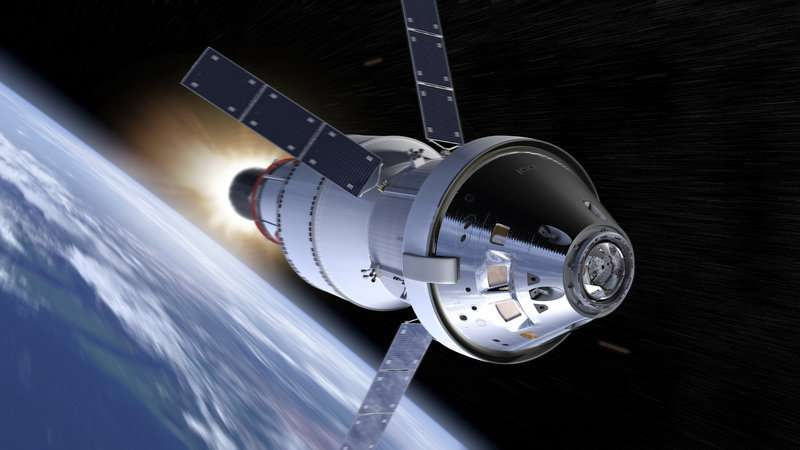
Artemis II will use advanced technology that represents years of research and development. The mission will rely on the Orion spacecraft, which is designed to carry astronauts safely through deep space.
The spacecraft is equipped with modern systems for navigation, communication, and life support. It is built to handle the challenges of traveling beyond Earth’s orbit.
The launch will be powered by the Space Launch System, one of the most powerful rockets ever created. This combination of spacecraft and rocket makes Artemis II a highly advanced mission.
Meet the Crew of Artemis II
One of the most exciting aspects of Artemis II is its crew. The astronauts selected for this mission are highly trained individuals who represent the best of human capability.
They will undergo extensive preparation to handle the physical and mental challenges of space travel. Their role is not just to operate the spacecraft but also to test systems and gather valuable data.
The mission also represents diversity and inclusion, with a crew that reflects a modern vision of space exploration.
The Mission Journey: From Earth to the Moon

The journey of Artemis II is carefully planned to ensure safety and success. The mission will begin with a powerful launch from Earth, sending the spacecraft into space.
Once in orbit, the spacecraft will perform maneuvers to set its course toward the Moon. The astronauts will travel around the Moon, experiencing its gravity and environment before returning to Earth.
This journey is not just about reaching the Moon—it is about testing every aspect of the mission, from navigation to communication.
Challenges of Deep Space Travel
Traveling beyond Earth’s orbit presents unique challenges. Unlike missions in low Earth orbit, Artemis II will expose astronauts to deep space conditions.
Radiation, extreme temperatures, and the vast distance from Earth are some of the challenges that need to be addressed. The mission is designed to test how well the spacecraft and crew can handle these conditions.
Understanding these challenges is crucial for future missions, especially those aimed at Mars.
Why Artemis II Is a Historic Mission

Artemis II is not just another space mission—it is a historic step forward. It marks the return of human spaceflight beyond Earth orbit after decades.
The mission builds on the legacy of the Apollo program while introducing modern technology and new goals. It represents a shift from short-term missions to long-term exploration.
For many people, Artemis II symbolizes hope and progress. It shows that humanity is ready to explore beyond its limits once again.
Preparing for Future Moon Landings
One of the main goals of Artemis II is to prepare for future lunar landings. The mission will test systems that are essential for landing astronauts on the Moon.
This includes life support systems, navigation, and communication technologies. The data collected during the mission will help improve these systems.
The next step after Artemis II is Artemis III, which aims to land humans on the Moon, including the first woman and the first person of color.
The Impact on Science and Technology

Artemis II will contribute to scientific knowledge and technological advancement. The mission will provide valuable data about deep space travel and human performance in space.
This information can lead to innovations that benefit life on Earth as well. Technologies developed for space missions often find applications in everyday life.
The mission also inspires future generations to pursue careers in science, technology, engineering, and mathematics.
Global Collaboration and the Future of Space Exploration
Space exploration is no longer limited to a single country. Artemis II involves collaboration with international partners, making it a global effort.
This cooperation allows countries to share knowledge, resources, and expertise. It creates a sense of unity and shared purpose.
In the future, space missions are expected to become even more collaborative, with multiple nations working together to explore new frontiers.
Why Artemis II Matters to Humanity

Beyond science and technology, Artemis II has a deeper meaning. It represents the human desire to explore and discover.
The mission reminds us that there is still so much to learn about the universe. It encourages us to look beyond our planet and imagine what is possible.
For many people, Artemis II is a source of inspiration. It shows that with determination and innovation, we can achieve extraordinary things.
Conclusion
Artemis II is more than just a mission—it is a symbol of a new era in space exploration. It brings together advanced technology, skilled astronauts, and a vision for the future.
As humanity prepares to return to the Moon, Artemis II plays a crucial role in making that dream a reality. It tests the systems, builds confidence, and sets the stage for even greater achievements.
In 2026, this mission stands as a reminder of how far we have come and how much further we can go. The journey to the Moon is not just about space—it is about the future of humanity.
FAQs
1.What is Artemis II ?
Artemis II is a crewed space mission by NASA that will send astronauts around the Moon.
2.When will Artemis II launch ?
The mission is planned for 2026, although exact dates may vary.
3.What is the goal of Artemis II ?
Its main goal is to test spacecraft systems and prepare for future Moon landings.
4.Will Artemis II land on the Moon ?
No, it will orbit the Moon and return to Earth.
5.Who is leading the Artemis program ?
NASA is leading the program with support from international partners.