
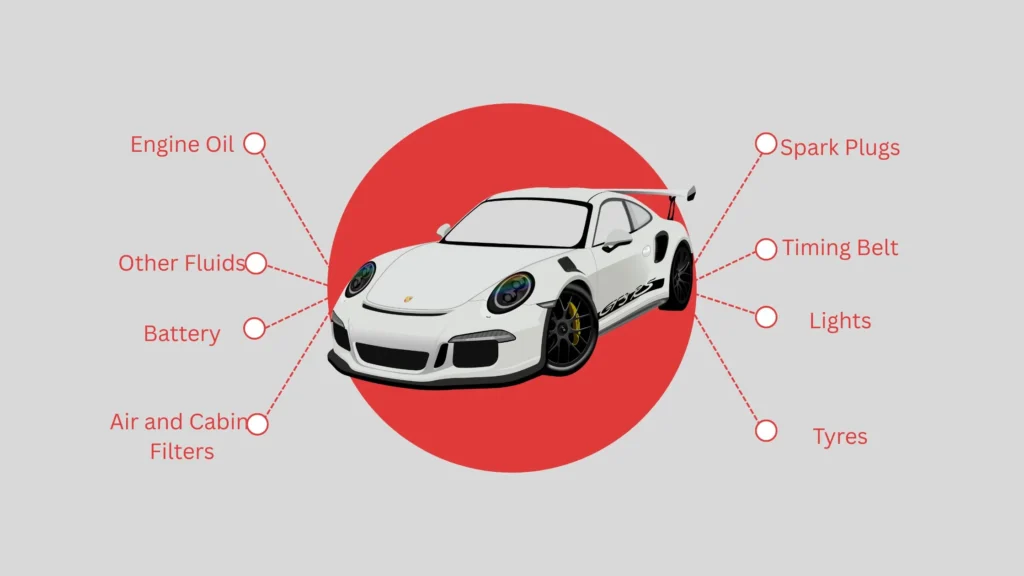
Owning a car is not just about driving it from one place to another. It is also about taking care of it so that it continues to perform well over time. Many people focus on buying the right car but often overlook the importance of maintaining it properly. The truth is, even the best car can lose its performance if it is not cared for consistently.
Car maintenance does not have to be complicated or stressful. It is more about developing simple habits and paying attention to how your vehicle behaves. When you understand your car and respond to its needs, you can extend its lifespan, improve its efficiency, and avoid unnecessary expenses.
Understanding the Importance of Regular Maintenance
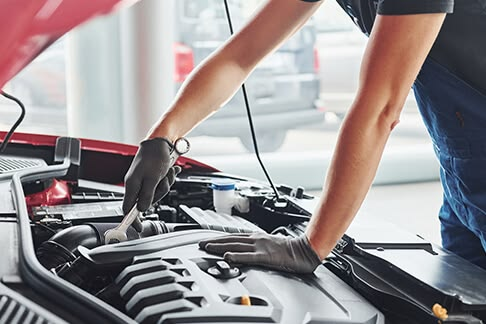

Every car is designed to perform at its best when it is properly maintained. Over time, parts wear out, fluids get used up, and small issues can develop. If these are ignored, they can turn into bigger problems that are more expensive to fix.
Regular maintenance helps you identify and address these issues early. It keeps your car running smoothly and ensures that it remains safe to drive. When you stay consistent with maintenance, you also preserve the value of your vehicle.
Taking care of your car is not just about preventing problems. It is also about enhancing your overall driving experience. A well-maintained car feels more reliable and comfortable, making every journey more enjoyable.
Keeping the Engine in Good Condition

The engine is the heart of your car, and its condition plays a major role in performance. Keeping the engine healthy requires attention to basic factors like cleanliness, lubrication, and proper functioning.
Engine oil is one of the most important elements in maintaining performance. It reduces friction between moving parts and prevents overheating. Over time, the oil becomes less effective and needs to be replaced.
Listening to your engine is also important. Unusual sounds or changes in performance can indicate that something needs attention. Addressing these signs early can prevent more serious issues.
The Role of Regular Servicing

Servicing your car at regular intervals is one of the best ways to ensure long-term performance. Professional servicing includes checking various components, replacing worn-out parts, and making necessary adjustments.
While it may seem like an extra effort, regular servicing saves time and money in the long run. It helps you avoid unexpected breakdowns and keeps your car in good condition.
Even if your car seems to be running fine, routine servicing is still important. Some issues are not immediately noticeable but can be detected during a thorough check.
Taking Care of Tires
Tires are often overlooked, but they play a crucial role in safety and performance. Properly maintained tires improve handling, fuel efficiency, and overall driving comfort.
Keeping the tires properly inflated is essential. Under-inflated or over-inflated tires can affect performance and wear out more quickly. Checking tire pressure regularly helps maintain balance and stability.
Tire alignment and rotation are also important. These practices ensure even wear and extend the life of your tires. When your tires are in good condition, your car performs better on the road.
Maintaining the Braking System
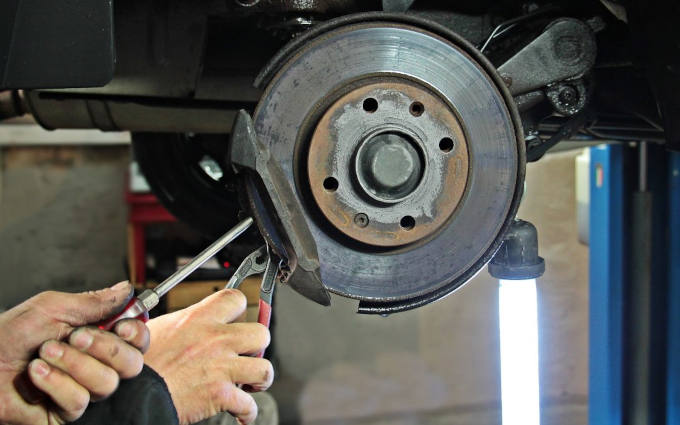
The braking system is one of the most important safety features of your car. Keeping it in good condition is essential for both performance and safety.
Brakes can wear out over time, especially with frequent use. Paying attention to how your brakes feel and sound can help you identify issues early. If you notice reduced responsiveness or unusual noises, it’s important to have them checked.
Regular inspection of the braking system ensures that it functions properly. This not only improves safety but also contributes to a smoother driving experience.
Keeping the Car Clean Inside and Out
Cleaning your car may seem like a simple task, but it has a significant impact on its condition. Dirt, dust, and environmental elements can affect both the exterior and interior of your vehicle.
Regular washing helps protect the paint and prevents damage caused by dirt buildup. It also keeps your car looking good, which can be important if you plan to sell it in the future.
Cleaning the interior is equally important. It creates a comfortable environment and prevents wear and tear on seats and surfaces. A clean car is not just about appearance, but also about maintaining its overall condition.
Monitoring Fuel Efficiency
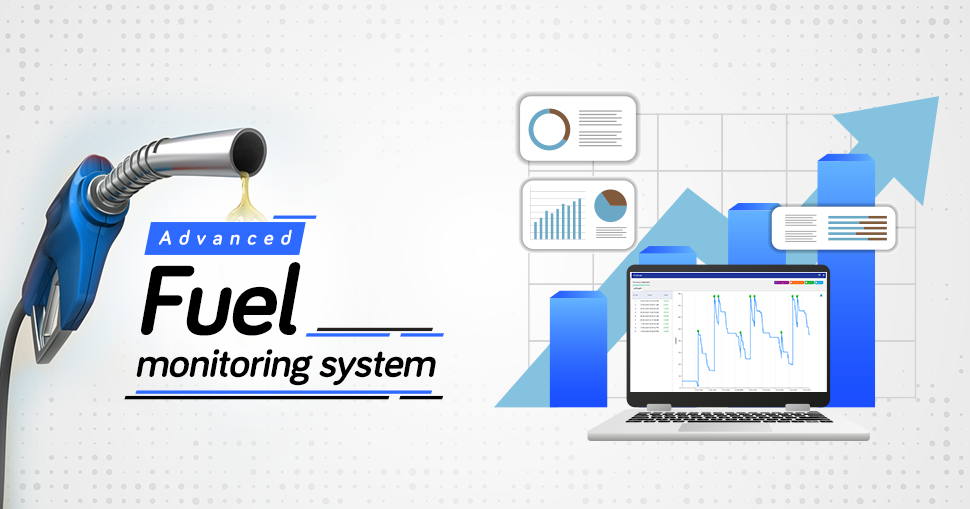

Fuel efficiency is an important aspect of long-term performance. A sudden drop in efficiency can indicate that something is not working properly.
Driving habits play a big role in fuel consumption. Smooth acceleration, steady speeds, and avoiding unnecessary idling can improve efficiency. These habits not only save fuel but also reduce strain on the engine.
Regular maintenance also contributes to better fuel efficiency. When all components are working properly, your car uses fuel more effectively.
Paying Attention to Warning Signs
Modern cars are equipped with indicators that alert you to potential issues. Ignoring these warnings can lead to more serious problems over time.
Dashboard lights, unusual sounds, or changes in performance should never be overlooked. These are signals that your car needs attention. Responding to them promptly can prevent further damage.
Being aware of how your car normally behaves helps you notice changes more easily. This awareness is a key part of effective maintenance.
The Importance of Driving Habits

How you drive has a direct impact on your car’s performance and longevity. Aggressive driving, sudden braking, and rapid acceleration can put extra strain on the vehicle.
Adopting a smoother driving style helps reduce wear and tear. It also improves fuel efficiency and makes driving more comfortable.
Driving responsibly not only benefits your car but also enhances safety. It creates a more controlled and enjoyable driving experience.
Protecting Your Car from Environmental Factors
Environmental conditions can affect your car over time. Exposure to extreme heat, cold, or moisture can cause damage if not managed properly.
Parking in shaded or covered areas helps protect your car from direct sunlight and harsh weather. Using protective covers can also be beneficial in certain conditions.
Taking small steps to protect your car from the environment can make a big difference in maintaining its condition over time.
Building a Routine for Car Care

Consistency is the key to effective car maintenance. Developing a routine helps you stay on top of necessary tasks without feeling overwhelmed.
Simple habits like checking tire pressure, monitoring fluid levels, and keeping your car clean can go a long way. Over time, these habits become part of your routine and make maintenance easier.
When you take a proactive approach, you reduce the chances of unexpected issues and keep your car performing at its best.
FAQs
1.How often should I service my car ?
It depends on your car and usage, but regular servicing at recommended intervals helps maintain performance and prevent issues.
2.What happens if I skip regular maintenance ?
Skipping maintenance can lead to reduced performance, higher fuel consumption, and costly repairs over time.
3.How can I improve my car’s fuel efficiency ?
Maintaining your car properly and adopting smooth driving habits can help improve fuel efficiency.
4.Is it necessary to check tire pressure regularly ?
Yes, proper tire pressure improves safety, performance, and fuel efficiency.
5.What are the signs that my car needs maintenance ?
Warning lights, unusual noises, reduced performance, and changes in fuel efficiency are common signs.