

Money is one of the most important parts of our daily lives, yet it is something many people struggle to manage properly. In a world where expenses are constantly rising and spending has become easier through digital payments and online shopping, managing money wisely is more important than ever. It doesn’t matter whether you earn a small income or a large one—what truly matters is how you handle it.
Smart money management is not about being perfect or cutting out all enjoyment from your life. It is about making better choices, building good habits, and creating a balance between spending and saving. When you understand how to manage your money effectively, you reduce stress, gain confidence, and move closer to financial freedom.
In this blog, we will explore practical and realistic money management tips that everyone should know in 2026 and beyond.
Understanding Your Relationship with Money

Before you start managing money, it is important to understand how you think about it. Your mindset plays a huge role in your financial habits. Some people see money as something to spend freely, while others are overly cautious and afraid to use it.
A healthy relationship with money means finding balance. It means understanding that money is a tool that helps you live your life comfortably, not something to fear or misuse.
When you become aware of your spending habits and financial behavior, you start making better decisions. This awareness is the foundation of smart money management.
Knowing Where Your Money Goes
One of the most common mistakes people make is not tracking their expenses. Money often disappears without us realizing where it went.
Taking time to understand your income and expenses can be eye-opening. When you track your spending, you begin to notice patterns. You may find areas where you are spending unnecessarily.
This doesn’t mean you have to stop enjoying your life. It simply means you become more mindful of how you use your money.
Knowing where your money goes is the first step toward taking control of it.
The Power of Budgeting
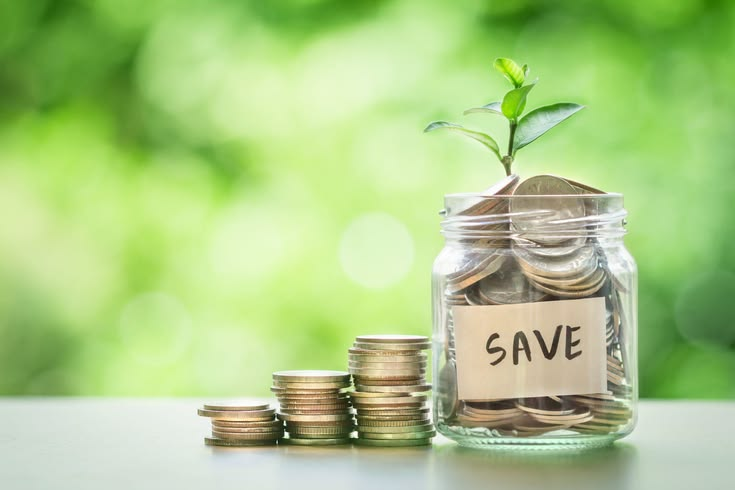
Budgeting is often misunderstood as something restrictive, but in reality, it is a tool that gives you freedom. A budget helps you plan your spending so that you can meet your needs while also saving for the future.
When you create a budget, you decide in advance how much money will go toward essentials, savings, and personal enjoyment. This prevents overspending and keeps your finances organized.
In 2026, where digital transactions make spending easy, having a budget is more important than ever. It acts as a guide that keeps you on track.
Saving Money as a Habit
Saving money should not be something you do occasionally. It should become a habit. Even small amounts saved regularly can grow into something meaningful over time.
The best approach is to save first and spend later. Instead of saving what is left after spending, set aside a portion of your income as soon as you receive it.
This habit builds discipline and ensures that you are always preparing for the future. Over time, your savings can help you achieve goals and handle unexpected situations.
Consistency is the key. It’s not about how much you save once, but how regularly you do it.
Building an Emergency Fund

Life is unpredictable, and unexpected expenses can arise at any time. Medical emergencies, sudden repairs, or job loss can create financial stress if you are not prepared.
An emergency fund acts as a safety net. It provides financial support during difficult times and prevents you from relying on loans or credit.
Building an emergency fund may take time, but it offers peace of mind. Knowing that you have a backup allows you to handle challenges with confidence.
Spending Smartly Without Sacrificing Happiness
Managing money does not mean you have to stop spending on things you enjoy. The goal is not to eliminate spending but to make smarter choices.
Understanding the difference between needs and wants can help you prioritize your expenses. Needs are essential for daily living, while wants are optional.
When you become mindful of your spending, you start making decisions that align with your goals. This allows you to enjoy your money without harming your financial health.
Using Credit Wisely
Credit cards and loans can be useful tools when used responsibly. They provide flexibility and help manage expenses when needed.
However, misuse of credit can lead to debt and financial stress. Spending more than you can repay creates a cycle that is difficult to break.
Using credit wisely means borrowing only what you can afford to pay back. Paying your bills on time and avoiding unnecessary debt are essential habits.
In today’s digital world, where credit is easily accessible, discipline is more important than ever.
Investing for the Future


Saving money is important, but investing is what helps your money grow. In 2026, there are many investment options available, making it easier for people to start.
Investing allows your money to work for you. Over time, it can generate returns and help you achieve long-term goals.
You don’t need to be an expert to begin investing. Starting small and learning gradually can make a big difference.
The earlier you start, the more time your money has to grow.
Adapting to Modern Financial Tools
Technology has changed the way we manage money. Digital payments, mobile banking, and financial apps have made transactions faster and more convenient.
These tools can help you track your spending, set budgets, and manage your finances more effectively.
However, it’s important to use them wisely. Easy access to money can sometimes lead to overspending.
Being mindful of your financial habits ensures that technology works in your favor.
Developing Long-Term Financial Goals
Having clear goals gives your money a purpose. Whether it’s buying a home, starting a business, or planning for retirement, goals help you stay focused.
When you have a vision for the future, you are more likely to make decisions that support it. This reduces impulsive spending and encourages discipline.
Long-term planning also helps you prepare for important life events and build financial security.
The Importance of Patience and Discipline

Money management is not something that changes overnight. It requires patience, consistency, and discipline.
There will be times when you feel tempted to spend more or skip your savings. Staying committed to your goals is what makes the difference.
Building good financial habits takes time, but the results are worth it. Over time, these habits become part of your lifestyle.
Conclusion
Smart money management is about making better choices every day. It’s not about being perfect or giving up everything you enjoy. It’s about creating a balance that allows you to live comfortably while preparing for the future.
By understanding your finances, tracking your spending, saving regularly, and investing wisely, you can build a strong financial foundation.
The journey may seem challenging at first, but small steps can lead to big results. With the right mindset and habits, financial stability is within your reach.
FAQs
1.What is money management ?
Money management is the process of planning, saving, spending, and investing your money wisely.
2.Why is money management important ?
It helps you avoid debt, save for the future, and maintain financial stability.
3.How can I start saving money ?
You can start by setting aside a small portion of your income regularly and reducing unnecessary expenses.
4.What is the best way to manage expenses ?
Creating a budget and tracking your spending are effective ways to manage expenses.
5.Should I save or invest first ?
Start with saving, especially for emergencies, and then move to investing for long-term growth.